Commander Oduku: Nigerian Must Shift From Road To Waterways To Save Lives, Cut Costs, Grow The Economy
Commander Oduku: Nigerian Must Shift From Road To Waterways To Save Lives, Cut Costs, Grow The Economy
..Riverine Security Boss Says Nation’s Inland Waters Remain Nigeria’s Most Underutilized Asset.
By Success Okezie
For decades, Nigeria’s highways have carried the heavy burden of moving people, agricultural produce, petroleum products and manufactured goods across the country. But according to the *Commandant General of Riverine Security (Coast Guard of the Federation), Commander Bibi Oduku*, that burden has become too heavy, and the cost is being paid in lives lost to accidents, damaged roads, traffic gridlock and polluted air.
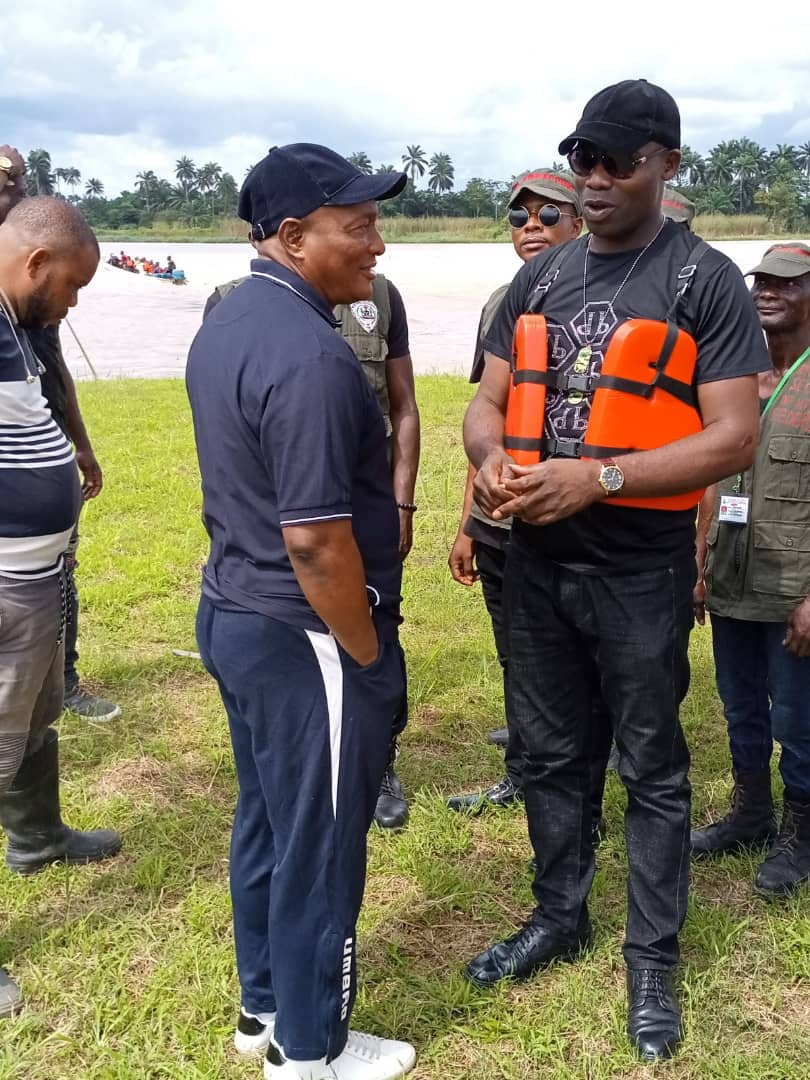
Speaking after a series of monitoring visits to riverine communities across the country, Commander Oduku made a passionate appeal to the *Federal Government to urgently prioritize the development, modernization and security of Nigeria’s waterways* as a core part of national infrastructure and economic planning.
Nigeria, he noted, is blessed with one of the largest networks of inland waterways in Africa, yet the country continues to depend “almost entirely on roads” for logistics and transportation.
“Nigeria cannot continue to depend almost entirely on the roads for the movement of people and large volumes of goods when we have an extensive network of waterways capable of supporting a modern transportation and logistics system. We must begin to treat our waterways as strategic national infrastructure,” he said.
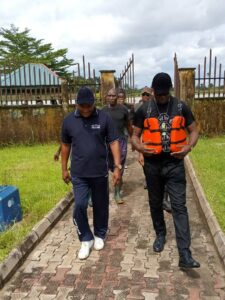
The Commandant General explained that the daily movement of trailers and heavy-duty vehicles between states is not only destroying federal highways but also contributing to environmental pollution, especially in crowded urban areas.
To change the narrative, Commander Oduku called on key government agencies — the Federal Ministry of Transportation, Federal Ministry of Marine and Blue Economy, NIWA, NPA, NIMASA and others — to come together and develop a *comprehensive National Waterways Transportation Master Plan*.
The plan, he said, must integrate inland waterways, seaports, roads, rail lines and logistics hubs into one seamless system, built with modern technology and guided by international best practices.
“Our waterways must be made accessible, navigable, safe and commercially viable. Government should invest in modern jetties, terminals, navigation aids, passenger and cargo vessels, marine communication systems, safety infrastructure and effective waterways management,” he urged.
Beyond easing traffic, Commander Oduku said a functional waterways system would transform Nigeria’s economy. It would improve the movement of farm produce and goods, create alternative routes for businesses, and open up riverine communities that have long been cut off.
He listed the potential benefits to include:
*Massive job creation* in boat building, marine engineering, port operations and logistics
*Increased investment* from both local and foreign investors
*Growth in tourism, fisheries and related maritime businesses*
*Reduced pressure on roads* and fewer road accidents
*Stronger security and socioeconomic development* in riverine areas
“A properly developed waterways transportation system is not only about moving goods and passengers. It is about creating jobs, stimulating businesses, attracting investment, developing communities and increasing government revenue,” he stated.
On the issue of piracy and militancy in some waterways, the Riverine Security boss said fear should not stop development. He commended the *Nigerian Navy and other security agencies* for their ongoing work and called for deeper collaboration between security forces, marine operators, traditional rulers and community groups.
“We should not be afraid to develop our waterways because of sea pirates or militants. Security and infrastructure development must move together,” he emphasized.
Commander Oduku also drew attention to the plight of people living in riverine communities, particularly in the Niger Delta. Despite their huge contribution to Nigeria’s oil and gas economy, many still lack basic infrastructure — good roads, healthcare, schools, clean water and electricity.
“It is unacceptable that communities contributing immensely to the economic strength of Nigeria should continue to feel abandoned. Our people deserve quality education, accessible healthcare and basic infrastructure,” he said.
He challenged oil and gas companies operating in those areas to do more, and called for stronger partnerships between government, industry and host communities.
Concluding, Commander Oduku said Nigeria already has everything it needs — the waterways, the people and the economic potential. What remains is political will.
“Nigeria has the waterways, the human resources and the economic potential. What we need is the political will, investment, modern technology, proper regulation and sustained security to unlock this potential.
The time for action is now. Investing in Nigeria’s waterways is investing in safer transportation, economic growth, national security, job creation and the future of our nation.”
About The Author