SIFAX Chairman Afolabi Pushes FG to Unlock Eastern Ports for National Trade Balance
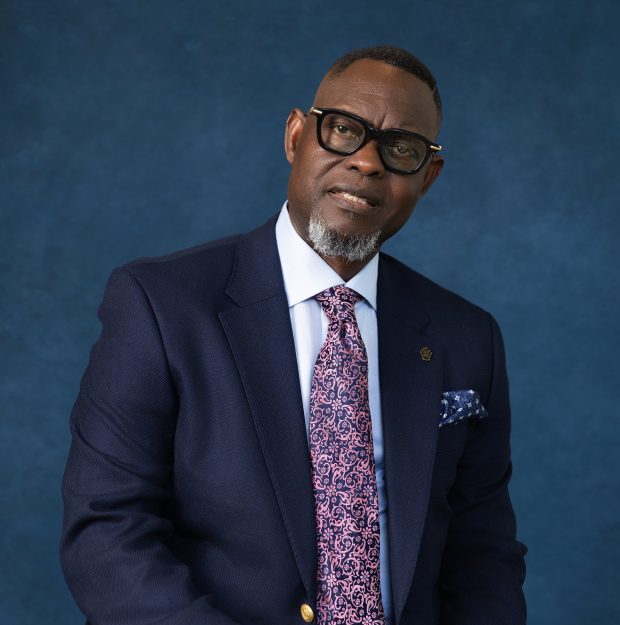
 SIFAX Chairman Afolabi Pushes FG to Unlock Eastern Ports for National Trade Balance
By Success Okezie

Dr Taiwo Afolabi, Chairman of SIFAX Group, is calling on the Federal Government to shift focus and invest heavily in Nigeria’s eastern seaports. He believes rehabilitating and expanding ports like Warri, Onne, and Calabar is the fastest way to boost economic activity in the region and pull the crushing weight off Lagos ports.
Afolabi made the case while welcoming Dr Akutah Pius Ukeyima, Executive Secretary and CEO of the Nigerian Shippers Council, to the SIFAX Group headquarters in Lagos. The discussion centered on port efficiency, cargo distribution, and long-term solutions to Nigeria’s maritime bottlenecks.
According to Afolabi, decades of underinvestment in eastern ports have created an imbalance that now hurts the entire port system. With almost all cargo forced through Apapa and Tincan Island, Lagos facilities are operating far beyond their design capacity.
He put it plainly: “My passionate appeal to the government is to extend the port modernisation initiative to the eastern ports. As you can see, economic activities at the ports are on the increase year on year. The concentration of these activities is predominantly at the Lagos ports, and the facilities at these ports have been stretched to their limits, thereby leading to congestion, which will ultimately impact port efficiency.”
His prescription is direct and practical. “This is the time for the government to resuscitate those ports in the Eastern part of Nigeria. For instance, government needs to dredge the Warri, Onne and Calabar ports so that large vessels can berth there safely and reduce the pressure on the Lagos ports.”
Afolabi didn’t stop at the ports themselves. He also flagged the Tincan Island corridor as a national headache. The roads and supporting infrastructure were built for a much smaller volume of trucks and cargo. Today, that corridor is choked daily. For businesses, it means higher costs and missed deadlines. For transporters, it means hours wasted in gridlock. For the economy, it means lost productivity and competitiveness.
Dr Ukeyima responded by acknowledging SIFAX Group’s track record. He described the company as one of Nigeria’s top maritime investors and said Afolabi has used every part of the maritime value chain to contribute to national growth. The Shippers Council CEO promised his agency will partner closely with SIFAX to push reforms and projects that benefit the industry.
The core argument: Nigeria can’t rely on Lagos alone. Dredging eastern channels, upgrading terminals, and improving access roads in the East would create alternatives. That spreads economic opportunities, reduces delays, and makes the whole port system more resilient.
About The Author