Ikoli Was a Deep Thinker, Liberator of The People — Foundation Hails Late Nationalist’s Legacies
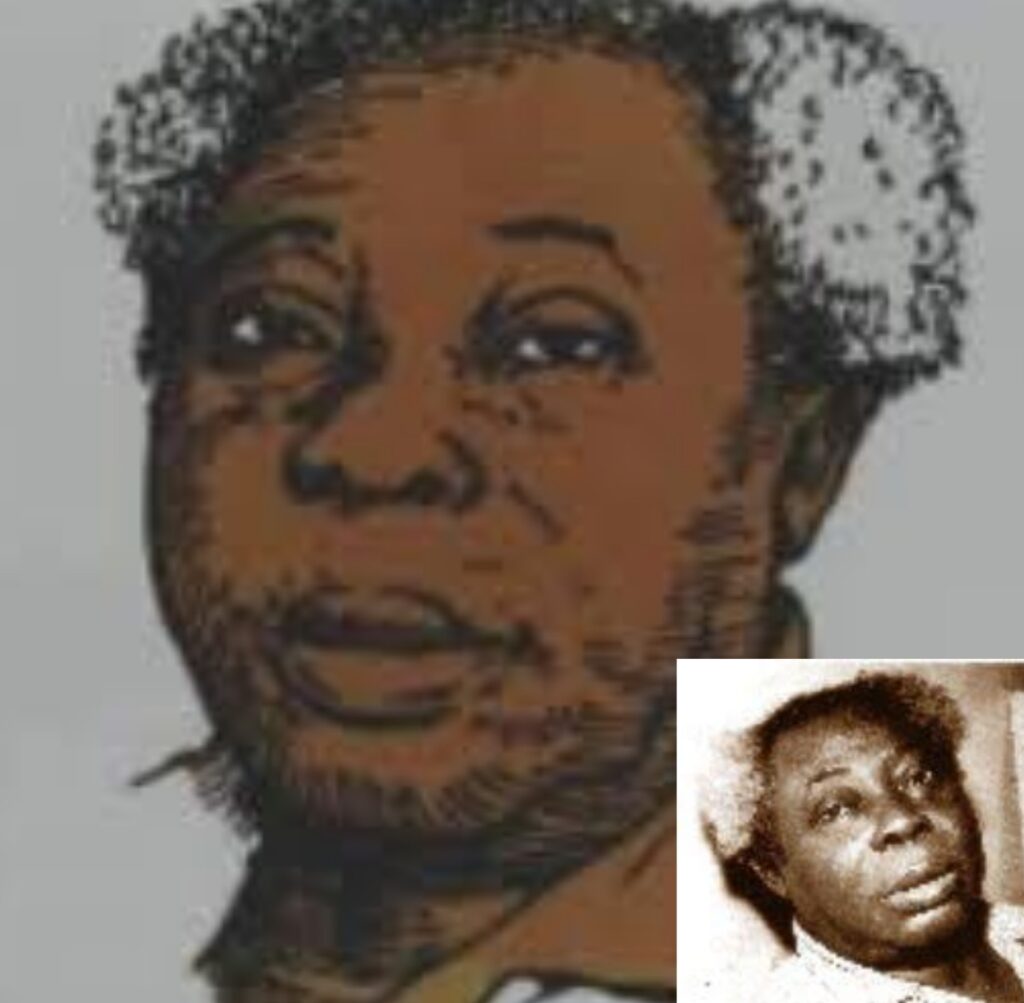
Ikoli Was a Deep Thinker, Liberator of The People — Foundation Hails Late Nationalist’s Legacies
– Ernest Ikoli Foundation Celebrates Iconic Nationalist, Describes Him As Symbol of Unity, Courage
– Emulate Ernest Ikoli’s Virtues, Foundation Urges World Leaders
– How Ernest Ikoli Shaped Nigeria’s Independence Movement — Foundation
By Success Okezie
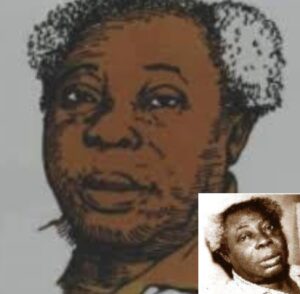
The Ernest Ikoli Foundation has described the late Nigerian nationalist, educationist, journalist and politician, Chief Ernest Sesei Ikoli, as a deep thinker, liberator of the people and a colossus who laid the organizational foundation for Nigeria’s independence struggle.
The Foundation, in a comprehensive statement titled “The Life and Times of Ernest Sesei Ikoli,” eulogized the pioneer African nationalist for his uncommon courage, intellectual strength, audacity, organizational discipline and unwavering commitment to national unity.
The statement, which was signed by the Vice Chairman of the Foundation, Chief Anthony George Ikoli, SAN, praised Ikoli for fostering understanding among Nigeria’s diverse ethnic groups and shaping the content and direction of formative politics in the country.
“Chief Ernest Ikoli was committed to the unity of the people, believing that it was the effective way of fighting the colonial masters,” the Foundation stated.
According to the Foundation, Ikoli distinguished himself as a scholar, a major figure in Lagos society and a frontline actor in the struggle for Nigeria’s self-determination. It noted that he elevated the fight for independence from mere agitation to the institutional level when he represented Lagos in the colonial Legislative Council.
Recalling his political trajectory, the Foundation stated that in 1941, following the resignation of Dr. Kofo Abayomi from the Nigerian Legislative Council to pursue further studies abroad, the Central Committee of the Nigerian Youth Movement (NYM), which included notable leaders like H.O. Davies and Chief Obafemi Awolowo, unanimously selected Ernest Ikoli as its official candidate. Backed by the NYM’s official organ, the Daily Service, Ikoli won the election convincingly.
He was subsequently elected President of the NYM in 1943 and was re-elected to the Legislative Council in 1946, where he became a strong advocate for open government, improved working conditions for Nigerians and broader political representation.
The Foundation described the man who edited some of Nigeria’s most influential newspapers — The Lagos Weekly Record, African Messenger, Daily Times of Nigeria, Nigerian Daily Mail, Telegraph and The Daily Service — as one of the most intelligent Nigerian politicians of the colonial era.
“Chief Ernest Ikoli worked for the greater glory of Nigeria, instilled in blacks the feeling of relevance, played an active part in the foundation of Daily Times, brought about far-reaching social and political progress and demonstrated an ability to withstand adversity and to move,” the statement added.
It particularly praised him for challenging the unfair treatment of black people globally and for his rare ability to unify educated Nigerians across ethnic divides to collectively demand self-governance and far-reaching educational reforms.
The Foundation also recalled Ikoli’s early act of defiance against racial arrogance when he resigned from King’s College, Lagos, where he was one of the foundation students at its opening in 1909 and later an Assistant Mathematics Teacher in 1913, after a European master spoke harshly to him in a manner he considered an insult to himself and his race.
Extolling his virtues of moral leadership, strong work ethics, fairness, courage, thoroughness, kindness and humility, the Foundation urged world leaders and contemporary politicians to emulate Ikoli’s selfless service.
Ernest Ikoli, a man of untiring energy and a crusader against man’s inhumanity to man, was born on March 25, 1893, at Brass, in present-day Bayelsa State. Son of an illustrious merchant who traded along the South-East coast, his mother was among the first women from the Niger Delta to receive Western education. He attended Bonny Primary School before proceeding to King’s College.
He cut his journalistic teeth at the Lagos Weekly Record before establishing the African Messenger in 1921, which gained prominence for its caustic editorials challenging colonial policies. In 1926, he made history as the first African editor of the Daily Times of Nigeria.
A patriot, public relations adviser to the Nigeria Railway Corporation and former Chairman of the Rediffusion Service, Chief Ikoli remains a shining example of steadfastness in the common cause.
About The Author