Tin Can Island Port Command Reinforces Commitment to Compliance, Collaboration , Modernisation at Maritime Journalists Workshop
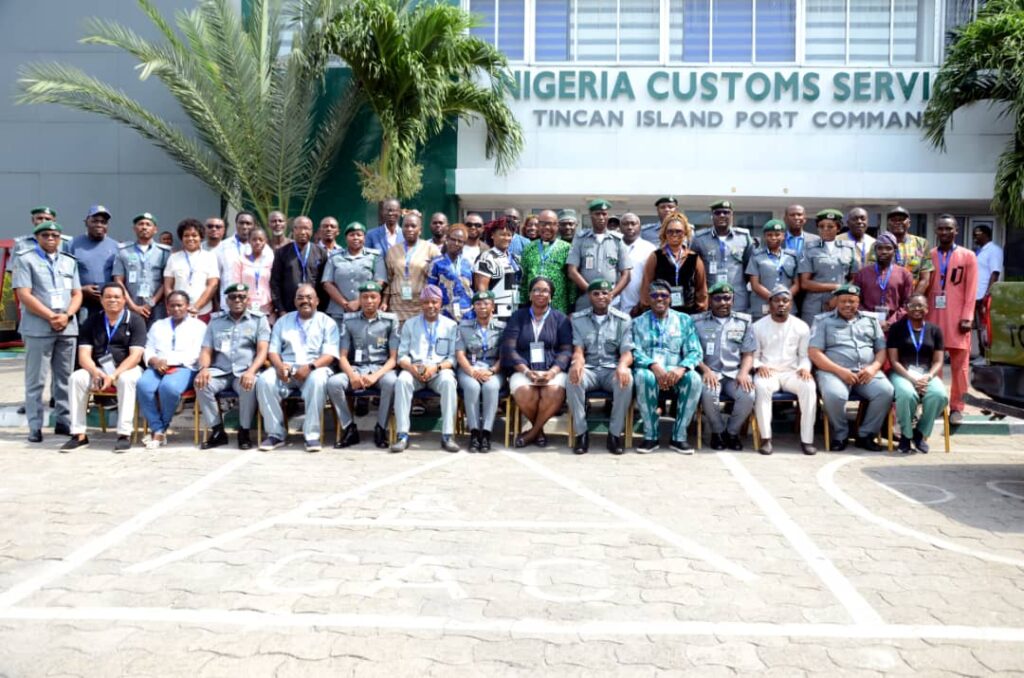
Tin Can Island Port Command Reinforces Commitment to Compliance, Collaboration , Modernisation at Maritime Journalists Workshop
By Success Okezie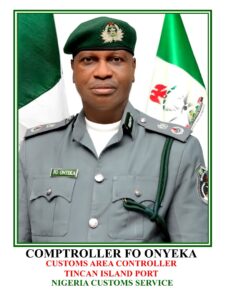
On Wednesday, 17 December 2025, the Customs Area Controller of The Tin Can Island Port Command, Comptroller F. O. Onyeka, reiterated that compliance, stakeholder collaboration and modernisation are the three pillars that will align the Nigeria Customs Service (NCS) with global best practices.
Speaking at the opening ceremony of the *Maritime Journalists Training Workshop*, organised by the command under the theme _“Compliance, Collaboration and Modernization: Aligning the Nigeria Customs Service with Global Best Practices,”_ Onyeka emphasized the strategic role of the media in the Service’s transformation agenda.
The workshop, held at the Tin Can Island Port Command auditorium, gathered senior command staff, subject‑matter experts and maritime journalists from across the country. Representing the Area Controller, Deputy Comptroller (Administration) D. C. E. E. Esiet highlighted that the training was timely, given the ongoing reforms aimed at strengthening regulatory compliance, deepening partnerships with stakeholders and adopting modern trade‑facilitation standards. “Maritime journalists remain strategic partners in our transformation agenda, particularly in information dissemination, public enlightenment and accountability within the maritime sector,” Esiet said.

Onyeka explained that an informed press is a powerful ally in nation‑building. “Through engagements like this, we aim to build mutual understanding, trust and a shared commitment to transparency and professionalism,” he said. The workshop was designed to give journalists deeper insight into Customs operations, compliance requirements, trade‑facilitation processes and the ongoing modernisation drive, while also addressing misconceptions and bridging information gaps between the Service and the media.
He added that the Comptroller‑General of Customs, Bashir Adewale Adeniyi, places a high premium on stakeholder collaboration. Under Adeniyi’s leadership, the Service has intensified engagement with the media, private‑sector operators and sister agencies. Onyeka urged participants to actively engage in the sessions, ask questions and seize the knowledge‑sharing opportunities presented.
The Area Controller disclosed that one of the technical sessions would centre on reclaiming professional values and ethics in journalism—a critical component for strengthening credibility and professionalism in media practice. He declared the workshop open, encouraging participants to remain attentive and participatory to ensure meaningful outcomes and constructive feedback.
Coordinator Innocent Nsikak Orok described the event as another milestone in the growing relationship between the maritime media and the Customs Service. He credited the reform‑driven leadership of Comptroller‑General Adeniyi for prioritising knowledge upgrade for journalists to align their reporting with the sweeping changes underway in the Service.

Orok recalled that the inaugural batch of the training took place on 1 November 2024 at the Apapa Customs Command auditorium under the leadership of then‑Tin Can Island Area Controller, now Deputy Comptroller‑General Dera Nnadi. Although that first edition could not accommodate all interested journalists, a second batch was promised—and delivered—despite the prevailing economic challenges. The realisation of the second batch was made possible by the decisive support of the current Area Controller, Frank Onyeka, who promptly approved the training and facilitated the provision of modern digital gadgets for participants. Orok lauded Onyeka’s leadership style, competence, capacity and patriotism as “CCP personified.”
The idea for the workshop emerged from concerns over inaccurate maritime reporting, particularly on port operations and trade facilitation. Orok cited a 2024 newspaper article that misrepresented Customs procedures, sparking debate among industry stakeholders and underscoring the need for structured capacity‑building for journalists covering the sector. He noted that Customs has long deployed trade‑facilitation tools such as PAAR, NICIS II, the Authorised Economic Operator (AEO) programme and the B’Odogwu platform to address clearance delays, and that informed reportage is essential for public understanding of these reforms.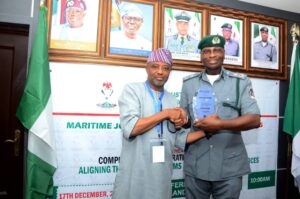
He also commended the resource persons and facilitators for volunteering their expertise, as well as the Command’s Public Relations Unit for its coordination role. Addressing participants, Orok urged them to view the workshop as an investment in professional growth rather than a monetary venture, assuring that the knowledge gained would translate into long‑term career and financial benefits. Participants were equipped with modern electronic devices to enhance efficiency in their work—a gesture described as another landmark in media–Customs engagement.
The workshop featured five substantive sessions:
*Overview of the NCS Act 2023* – Presented by Deputy Controller of Customs DC CA Nwachukwu, a lawyer by profession. She outlined the powers conferred on the NCS for effective operations, including the authority to arrest, detain, seize, investigate, board vessels and conduct cargo inspections.
*Understanding the Role of B’Odogwu in Trade Facilitation* – Delivered by Assistant Comptroller Mary‑Anne Egwunyega. She explained that, while not perfect, B’Odogwu has significantly facilitated trade and contributed to a surge in revenue for the Tin Can Island Command, helping the command surpass its 2025 revenue target.
*Customs Modernisation for Trade Facilitation: The Role of AEO and Time Release Study* – Handled by Assistant Comptroller AE Ibrahim, Technical Supervisor, Tin Can Command. He traced the evolution of customs modernisation to the post‑9/11 security imperative, highlighting the AEO programme and Time Release Studies as key tools for securing the supply chain.
Strengthening Global Supply Chain Security under the WCO SAFE Framework of Standards* – Presented by Deputy Controller Azikiwe Emeka Ejidoh. He stressed that adopting the SAFE Framework would greatly enhance customs operations and align Nigeria with evolving international standards.
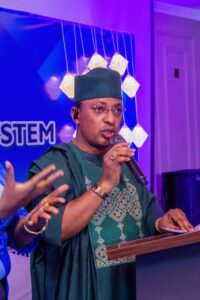
*Recalibrating the Compass: Character as the True North of Maritime Reporting* – Delivered by noted journalist and publisher of _Inside Watch Magazine_, Oluwaseyi Adegoke Adeyemo. He urged maritime reporters to pursue balance, objectivity and national interest, warning that persistent negativity hampers trade facilitation and exacerbates economic woes.
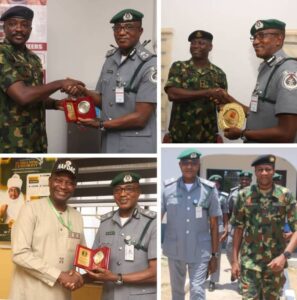
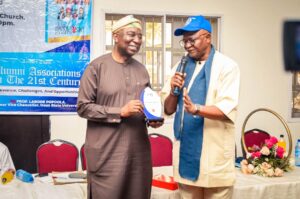
The workshop concluded with the presentation of certificates, plaques and modern work tools to participating journalists, underscoring the Service’s commitment to professionalising maritime reporting in line with its broader objective of aligning Nigeria Customs operations with global best practices. The event reinforced the Tin Can Island Port Command’s resolve to deepen transparency, professionalism and partnership with the maritime media in support of national trade facilitation and economic growth.
The story is okay.I only removed the”and” on the headline.it is okay
About The Author